What Is the Literati Style?
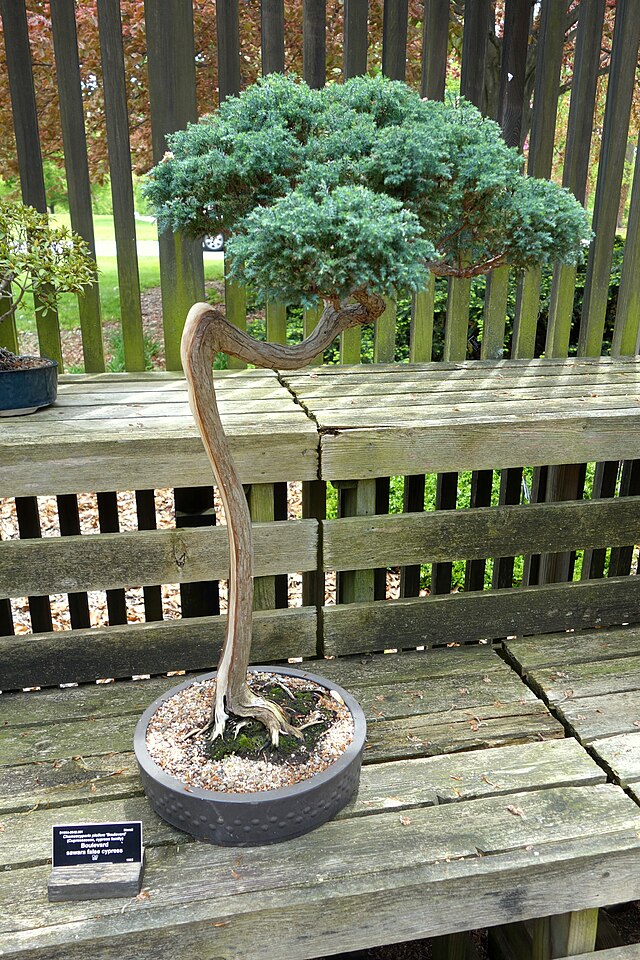
The Literati style, known in Japanese as Bunjingi (文人木) — literally “scholar’s tree” — is the most philosophically rich and visually unusual of all bonsai styles. Where most styles strive for symmetry, fullness, and classical proportion, the literati embraces its opposite: asymmetry, sparseness, tension, and negative space.
The name comes from the Chinese scholar-painters of the Tang and Song dynasties — literati who rejected formal artistic conventions in favor of deeply personal, expressive brushwork. The bonsai style takes its visual vocabulary from those ink paintings: a tall, sinuous trunk that twists and bends dramatically, with minimal branches concentrated near the apex, surrounded by vast, intentional emptiness.
Defining Characteristics
The Trunk
The trunk of a literati bonsai is its defining feature. It is almost always tall and slender relative to its container — far taller in proportion than any other style. The trunk bends, twists, and contorts dramatically, but without the chaos of windswept styles. The movement is deliberate and refined, like a brushstroke made with full intention.
Minimal Branching
Where a formal upright might have 12 to 20 well-placed branches, a literati may have only two or three — placed at the very top of the trunk. The branches are typically short, refined, and downswept. What isn’t there matters as much as what is. The empty space around and below the foliage mass creates an atmosphere of loneliness, age, and dignity.
Deadwood Features
Jin (stripped branch stubs) and shari (carved sections of exposed white deadwood on the trunk) are common literati features. They suggest a tree that has survived great age and hardship. The contrast between the living green foliage crown and the stark, bone-white deadwood below creates powerful visual and emotional tension.
Best Species for Literati
Japanese Black Pine (Kuromatsu)
The most traditional literati species in Japan. Black pine’s naturally textured, dark bark and needle foliage suit the austere aesthetic perfectly. Advanced growers prize black pine literati for the dramatic deadwood features that develop with age. Care note: Full sun, excellent drainage, aggressive summer candle work required.
Japanese White Pine (Goyomatsu)
White pine produces softer, more elegant silhouettes than black pine. The bluish-grey needle clusters and pale bark have a refined, almost ethereal quality that suits the literati philosophy. Slower growing and more delicate than black pine. Care note: Partial to full sun, excellent drainage, moderate watering.
Juniper
Shimpaku juniper produces beautiful literati with dramatic trunk movement. The fine foliage creates delicate pads at the apex and the bark develops beautiful shari naturally over time. More forgiving than pines for literati beginners. Care note: Full sun, good drainage, water when partially dry.
How to Develop a Literati Bonsai
The most important first step is finding material with natural character. Unlike most styles, you cannot manufacture a literati from straight nursery stock — you need a plant with existing trunk movement, interesting bark, or natural deadwood. Collected material (yamadori) from exposed mountain ridgelines or coastal cliffs is the traditional source.
Once you have suitable material, the development process is one of subtraction rather than addition. Remove branches until only the essential few remain. Study the trunk from every angle. The tree will suggest what stays and what goes. Trust that instinct.
Deadwood features should be developed with restraint. A single jin placed where a lower branch was removed can define the entire character of the design. Use lime sulfur to bleach and preserve deadwood after carving.
Pot Selection for Literati
Literati bonsai use small, unassuming pots — often dramatically small relative to the height of the tree. The visual imbalance between the tall, expressive tree and the small, quiet pot is intentional. Round or drum-shaped pots in muted earth tones, dark grays, or unglazed stoneware are traditional. The pot should not compete with the tree.